
A large portion of present-day Switzerland is mountainous, which has made the Alpine passes crucial to the country's development. These routes have been significant for communication and trade, attracting powers that aimed to control them.
From the beginning to the Romans
The earliest evidence of human existence in the area dates back around 150,000 years, while the oldest flint tools discovered are approximately 100,000 years old.
The development of what is now Switzerland followed a pattern similar to that of the rest of Europe. In the early centuries, the area experienced waves of migration, leading to diverse settlements. During Roman rule, Christianity spread, and the Church, along with its bishoprics and monasteries, became a major landowner. Meanwhile, aristocratic families expanded their influence through conquest, inheritance, and strategic marriages. Briefly, the Frankish king Charlemagne held control over much of Western Europe. In 962, a new power emerged when the German king Otto I convinced the Pope to crown him Emperor of the Holy Roman Empire.
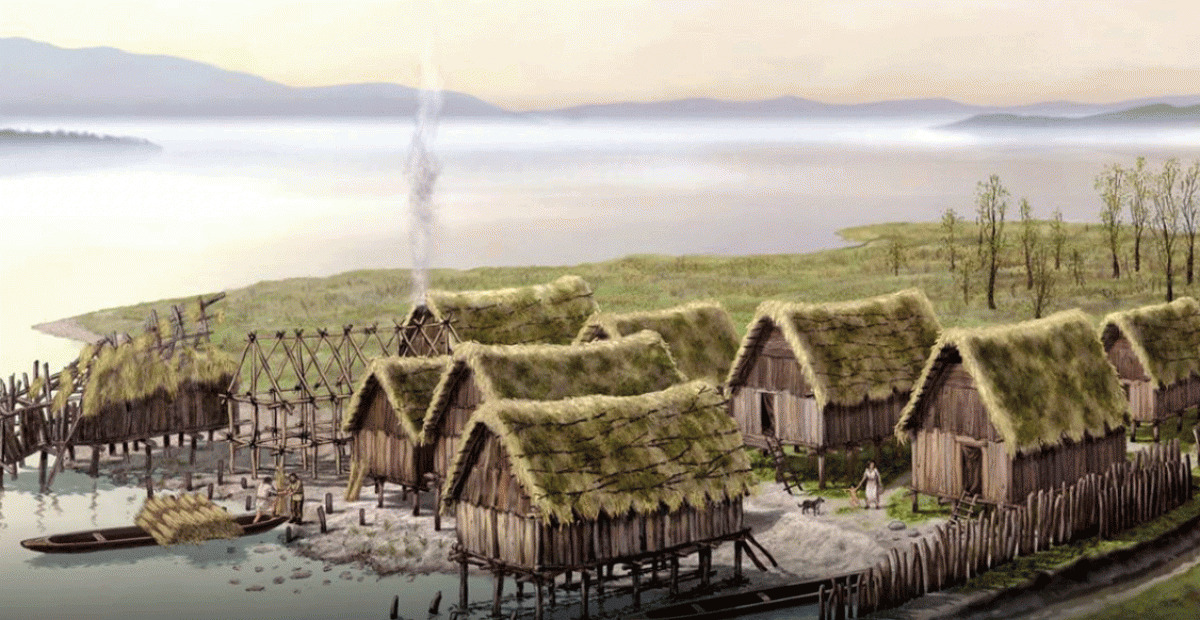
First Settlers in Switzerland
Among the most fascinating archaeological discoveries in Switzerland are the lakeside settlements with houses built on stilts. Dating back to the 4th millennium BC, these sites offer insights into life long before the Helvetians, Rhaetians, and Romans.

Under Roman Influence
From the 1st century BC to the early 1st century AD, the region now known as Switzerland was gradually absorbed into the Roman Empire. Although Roman rule ended in 401 AD, Roman structures persisted in parts of Switzerland into the early Middle Ages.

Switzerland after the Romans
After the Romans withdrew, Western Switzerland fell under the rule of the Kingdom of Burgundy, while the Alemanni took over central and eastern Switzerland. Meanwhile, the Alpine areas continued to be governed by local Gallo-Roman rulers.
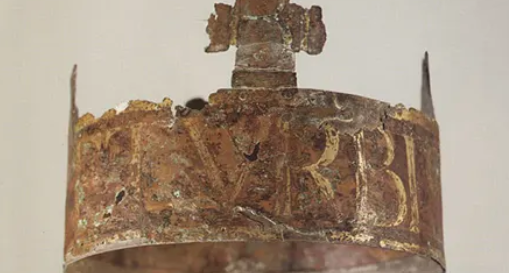
Under German Rule
During the reign of the Ottonians and Saliers (925 - 1125) on the German imperial throne, the regions of present-day Switzerland were divided among the Kingdom of Burgundy, the Duchy of Swabia, the Duchy of Bavaria, and the Kingdom of Italy. All these territories were part of the "Holy Roman Empire of the German Nation" under the German Emperor.
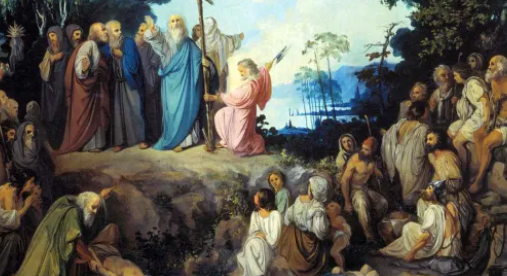
Rise of Christianity
Christianity first spread in Switzerland through the ancient Roman cities and along the Roman trade routes. A further wave of Christianization occurred in the 7th century with wandering monks who established several monasteries.
Switzerland in the late Middle Ages
The year 1291 is traditionally considered the founding year of the Confederation, as it was when three rural valley communities united to strengthen their defenses against external attacks.
In the 14th and 15th centuries, a loose federation emerged, consisting of both rural and urban members. By the end of the 15th century, it had grown strong enough to influence the balance of power in Europe. Various wars were fought during this time, showcasing the courage and ingenuity of the Confederates, who earned a reputation as formidable adversaries in battle. The Confederation expanded in different ways, with some regions joining voluntarily as equal members while others were incorporated under pressure. Although the members primarily managed their own regional affairs, representatives from each area convened regularly to discuss matters of mutual interest.
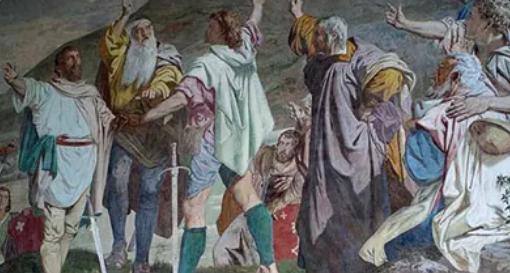
Rise of Swiss Confederation
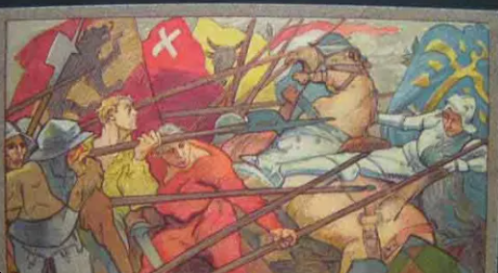
The Old Confederacy was formed as a loose alliance among three valleys in central Switzerland: Uri, Schwyz, and Unterwalden. They rebelled against the governors appointed by the Counts of Habsburg, aiming to regain their former rights of autonomy rather than seeking to separate from the German Reich.
Dissension and the Burgundian Wars
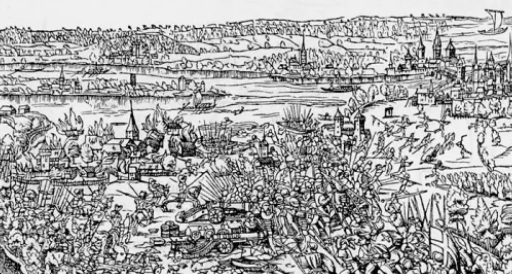
The expansion of the Confederation was not entirely seamless. As external threats diminished, the cantons grew more focused on their individual interests, and the same was true in reverse.
Independence and the end of expansion
The policy of expansion came to an end due to two wars: the victorious Swabian War in the north and the Italian campaigns in the south, where the Confederates faced defeat.
Reformation and the 17th Century
The 16th century in Western Europe was marked by the Reformation, a movement that split western Christianity into two factions.
Although the riots and destruction were framed as religious conflicts, they primarily reflected the desire for social change and the underlying tensions between urban and rural areas. The 17th century marked three significant milestones in the development of modern Switzerland, all resulting from the Thirty Years' War (1618-1648). While much of Europe was embroiled in this conflict, the Confederation maintained its neutrality. A key outcome of the Thirty Years' War was the formal recognition of Swiss independence from the Holy Roman Empire through the Treaty of Westphalia.

Two Reformers: Zwingli and Calvin
The Reformation in Switzerland saw the emergence of multiple centers and influential reformers. Ulrich Zwingli played a significant role, actively working in Zurich from 1523, while John Calvin transformed Geneva into what became known as the "Protestant Rome" starting in 1536.
Conflict and religious wars
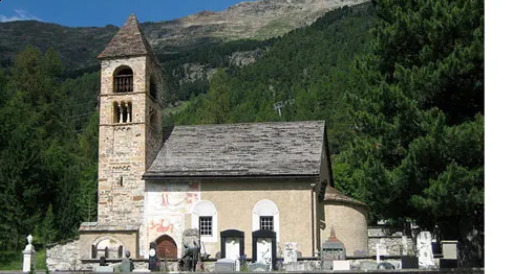
Like many regions in Europe, the Reformation plunged the Confederation into a series of religious wars. These conflicts frequently prompted reforms within the Catholic Church and its territories as well.
Political structure in the 17th century
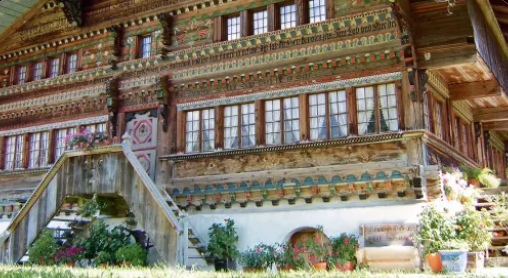
During the 17th century, the Confederation comprised diverse territories, and the level of freedom experienced by their inhabitants varied significantly based on their location.
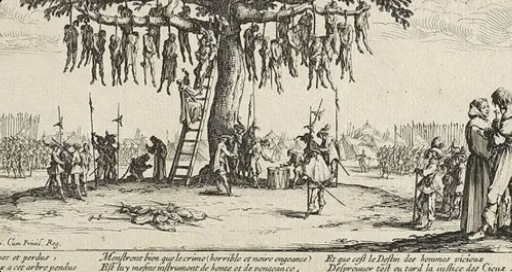
Thirty Years’ War and independence
The Confederation remained neutral during the conflict, with only the Associated Place of Graubünden becoming involved in the hostilities. For the Confederation, the conclusion of the Thirty Years' War marked its departure from the Holy Roman Empire of the German Nation.
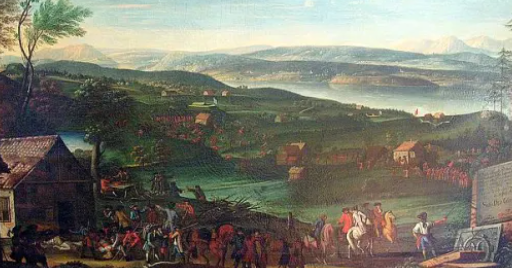
Peasant revolts and religious peace
The tensions between rulers and their subjects in Lucerne, Bern, Solothurn, and Basel reached a climax in 1653 with the outbreak of the Swiss Peasants’ War. Following this, the Villmergen Wars of 1656 and 1702, driven by religious motivations, resulted in a decline of Catholic dominance in the region.
18th and 19th century
In 1798, Swiss territory was invaded by French troops, who established a centralized state. Eventually, the traditional cantonal system was reinstated, though it took on a more centralized structure.
In 1798, French forces invaded Switzerland, establishing the centralized Helvetic Republic. For the first time in its history, Switzerland had to relinquish its neutrality and supply troops to France. Following the Sonderbund War, the groundwork for modern Switzerland was established with the adoption of the 1848 Constitution. This marked a shift to a more centralized government and created a unified economic area, effectively ending cantonal rivalries and fostering economic growth. Despite these advancements, the 19th century proved challenging for many Swiss citizens, as widespread poverty, hunger, and limited job opportunities prompted a significant wave of emigration to North and South America.

Power structures, economy, society
Not everyone reaped the rewards of the economic and social advancements of the 18th century, resulting in growing tensions, unrest, and the establishment of the Helvetic Society.
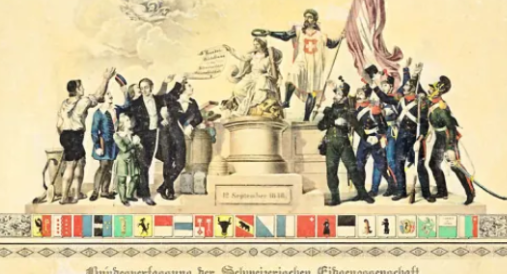
Federal Constitution and the 19th century
The adoption of the Federal Constitution in 1848 and 1874 transformed the Confederation from a loose alliance of cantons into a federal state. Throughout the 19th century, a system of political parties gradually emerged.
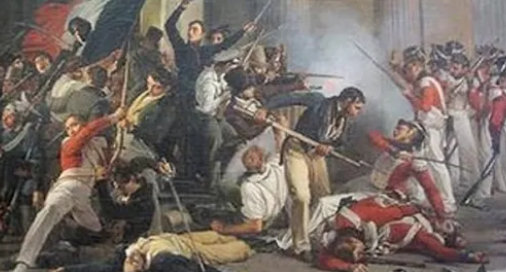
French Revolution, Helvetic Republic
The French Revolution and the ensuing Napoleonic Wars transformed Europe dramatically. Napoleon's incursion into Switzerland marked a pivotal moment in the nation's history.
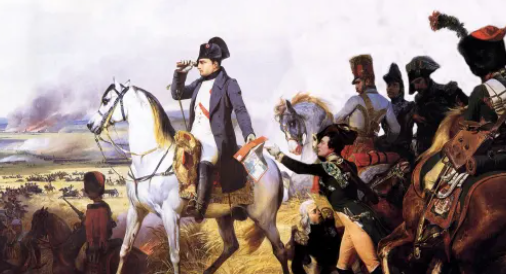
Napoleon and Switzerland
Napoleon recognized that a centralized unitary state in Switzerland, considering its diverse linguistic, cultural, and religious landscape, was untenable. As a result, he proposed a draft for a federal constitution.
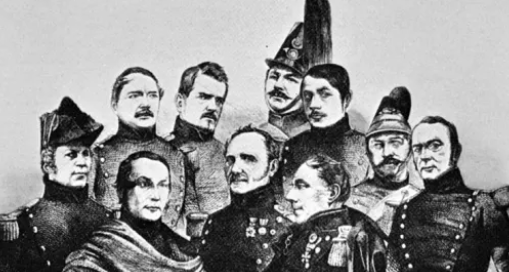
The Restoration and Sonderbund War
Following Napoleon's rule, Switzerland reestablished itself as a confederation, granting the cantons increased autonomy. However, tensions between conservative and progressive factions continued to rise, eventually leading to the outbreak of the Sonderbund War.
Switzerland in the 20th century
The 20th century was characterized by a remarkable array of advancements across political, economic, and social landscapes..
Internally, Switzerland experienced a transition to a multi-party system. At the start of the century, a single party dominated all government positions within the Federal Council, but by the century's end, four parties were represented. Agrarian Switzerland evolved into an industrial nation, leading to a higher influx of immigrants than emigrants and a significant increase in living standards. Working conditions and social security improved steadily, and access to a wider variety of consumer goods expanded. The growth of the export sector transformed the country's interactions with Europe and the broader world. Despite maintaining political neutrality and refraining from active involvement in both World Wars, the topic of neutrality sparked considerable debate.
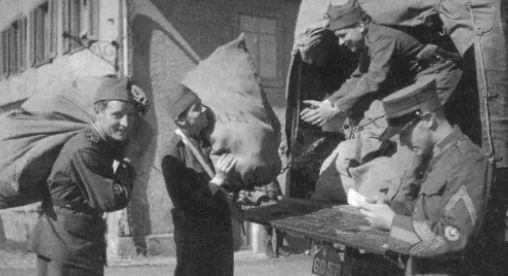
The inter-war years in Switzerland
The aftermath of World War I was characterized by efforts at reconstruction, temporary economic recovery, and shifts in policy, alongside the emergence of fascism across Europe.
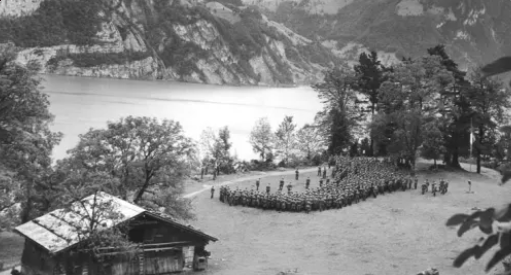
World War II
Before and during World War II, Switzerland's main goal was to preserve its independence and to stay out of the fighting.
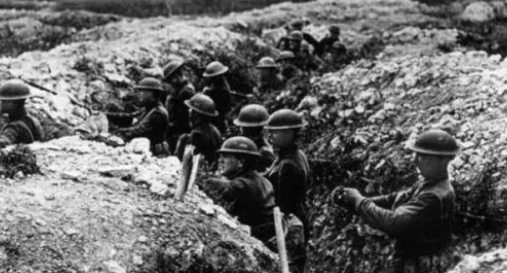
World War I
As a small neutral country, Switzerland avoided direct military conflicts during World War I. However, it faced significant challenges on both economic and social fronts during this tumultuous time.

Switzerland as an affluent society
Following World War II, swift technological advancements and economic growth led to significant material prosperity. Switzerland emerged as a prominent force in the global marketplace.