9 Top-Rated Attractions & Places to Visit in Switzerland
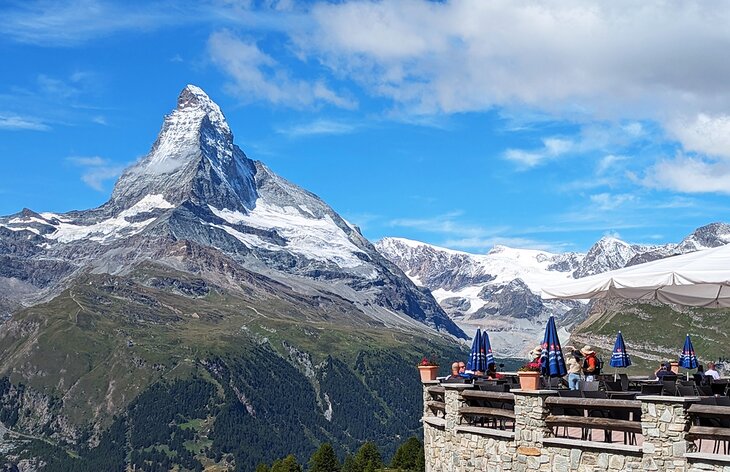
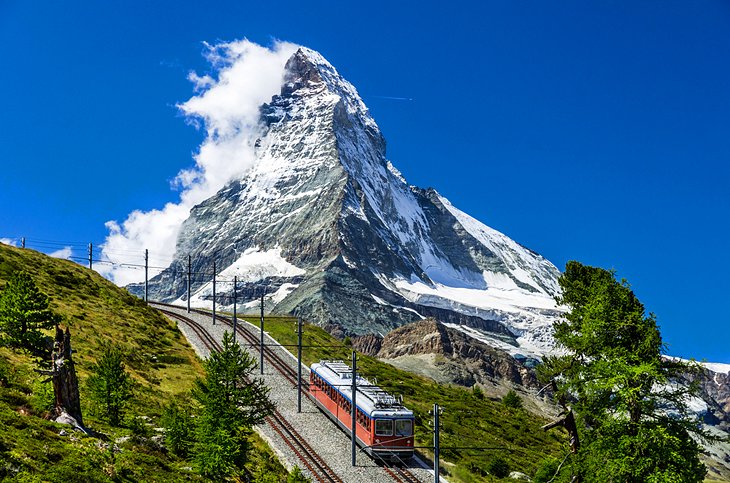
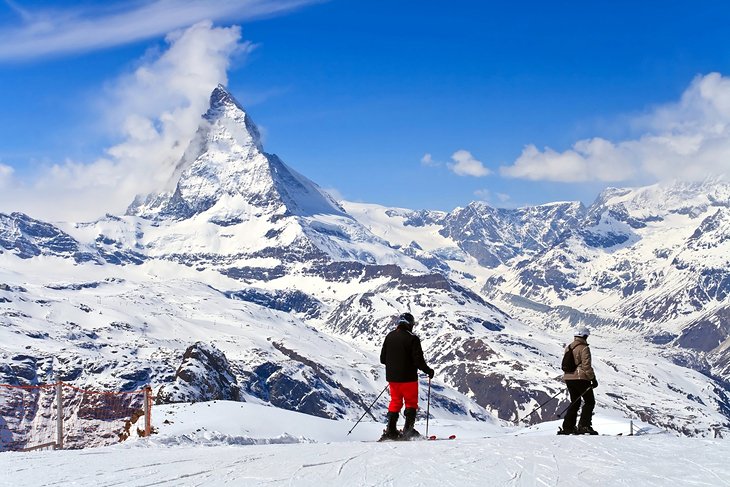
The Matterhorn
One of the highest mountains in the Alps, the Matterhorn sits on the border with Italy. It has four steep faces rising to its craggy tip. Climbers have been intrigued by this mountain from the first successful summit in 1865 by British climber Edward Whymper and his team. The trip still ended tragically when four of the climbers fell to their deaths during the descent.
To experience the view of Matterhorn:
ride the Gornegrat Bahn cog railway to the summit of the 1,620-meter Gornergrat mountain
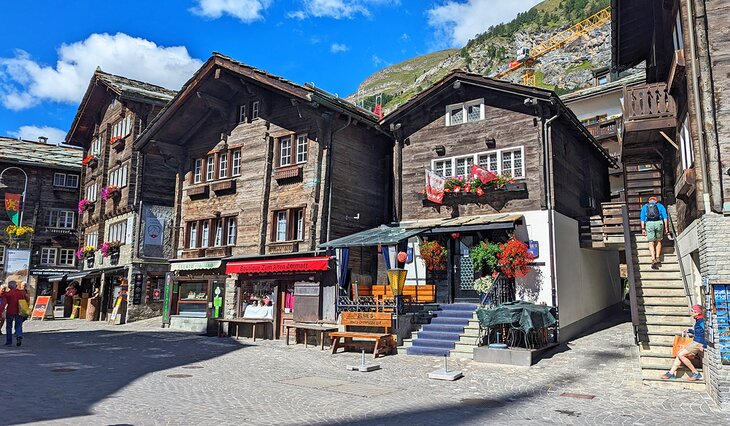
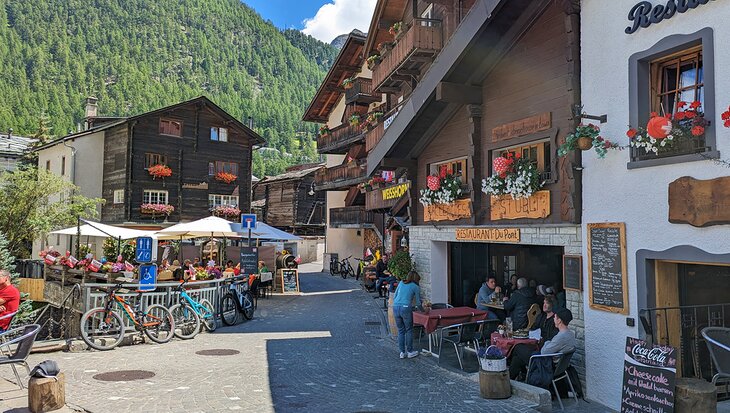
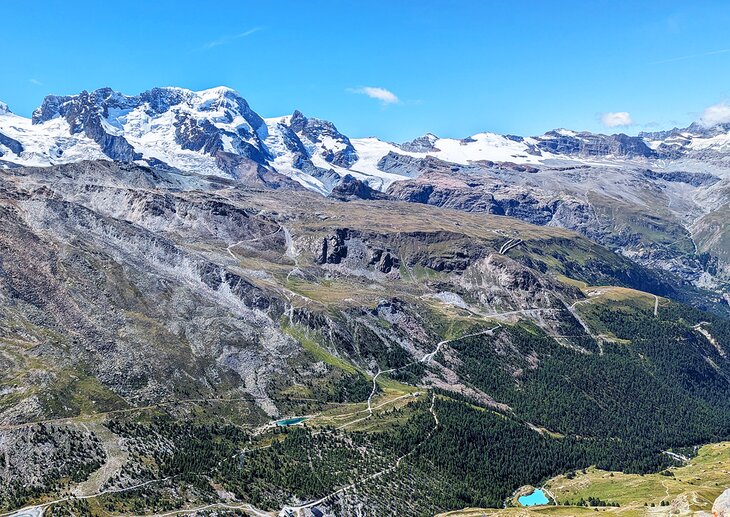
Zermatt
The charming village of Zermatt is at the foot of Matterhorn, a top international resort that
is one of the most popular ski destinations in Switzerland, and a hiking, biking, and climbing
paradise in
summer.
Zermatt can also be reached via the Matterhorn Gotthard railway.
The
Five
Lakes Trail is one of the most popular hikes.
If you are interested in history,
there's a Matterhorn
museum in town and you can also find dozens of shops, restaurants, and hotels.
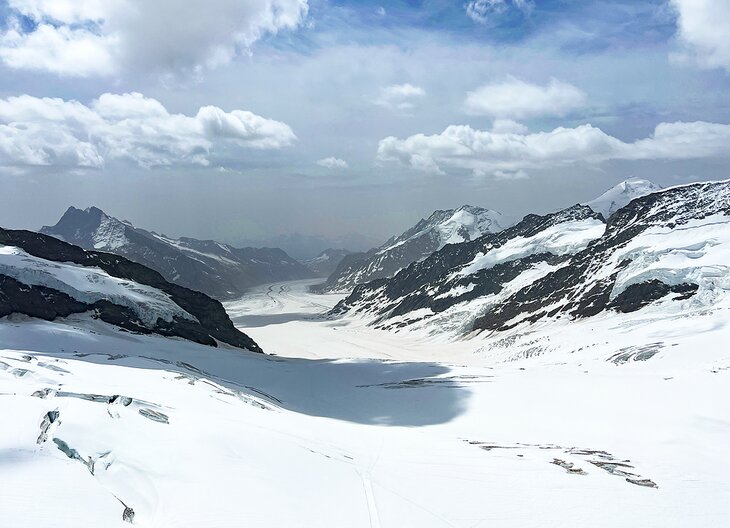
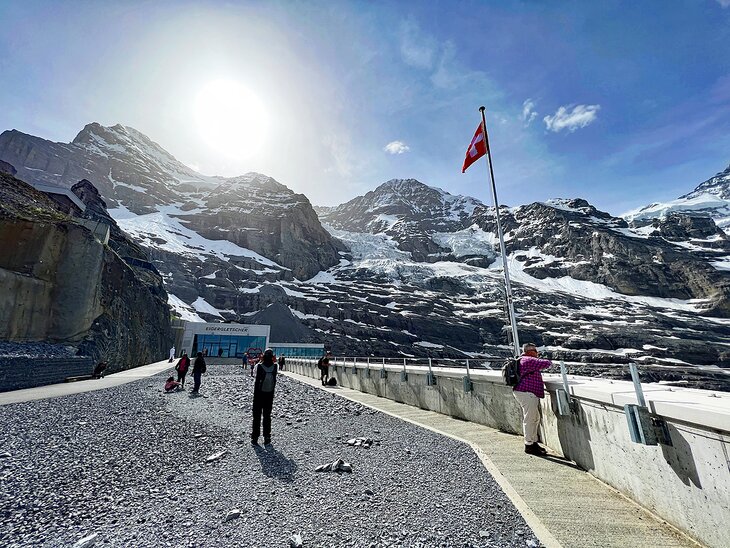
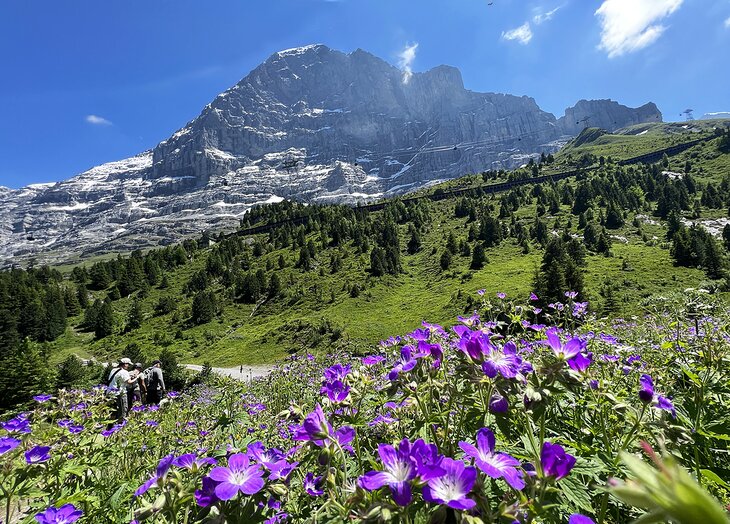
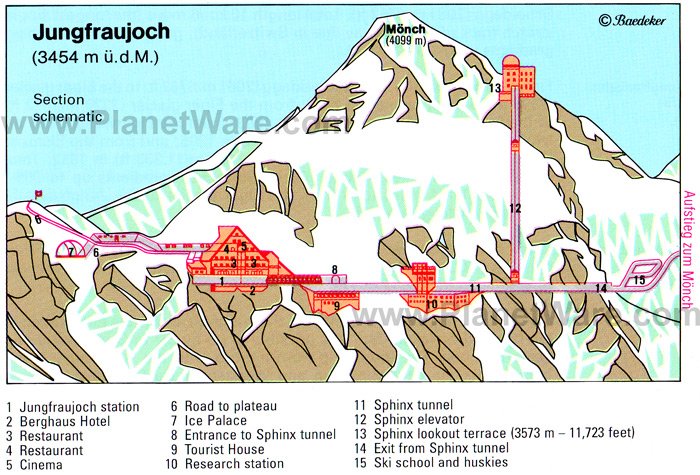
Jungfraujoch: The Top of Europe
Grindewald a fairytale-like village and highest train station in Europe.
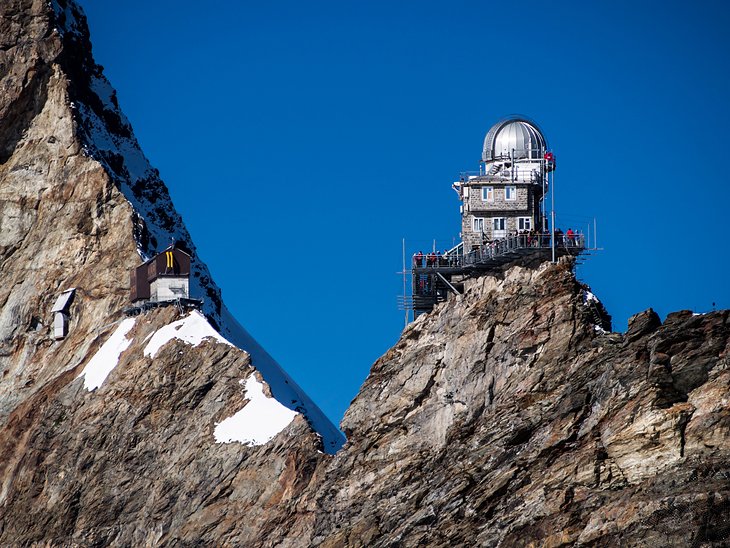
The Sphinx
Observatory, an astronomical observatory that looks like a Bond villain lair, the best place to see the
magnificent Aletsch Glacier.
Jungfraujoach's highly
sustainable cable car, the Eiger Express, shortened the journey between Grindelwald and
Jungfraujoch
Interlaken
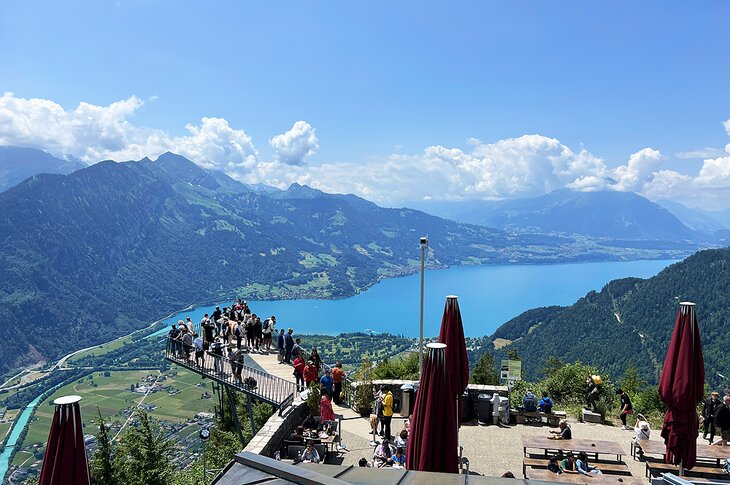
The enchanting resort town has been a popular vacation destination for centuries, giving tourists a
home base to explore the Bernese Oberland.
Interlaken's proximity to Lake Thun to the
west and
Lake Brienz to the east, along with soaring alpine mountains, has helped it become the
"Adventure Capital of Europe".
A brick path lined with quirky Swiss statues takes you
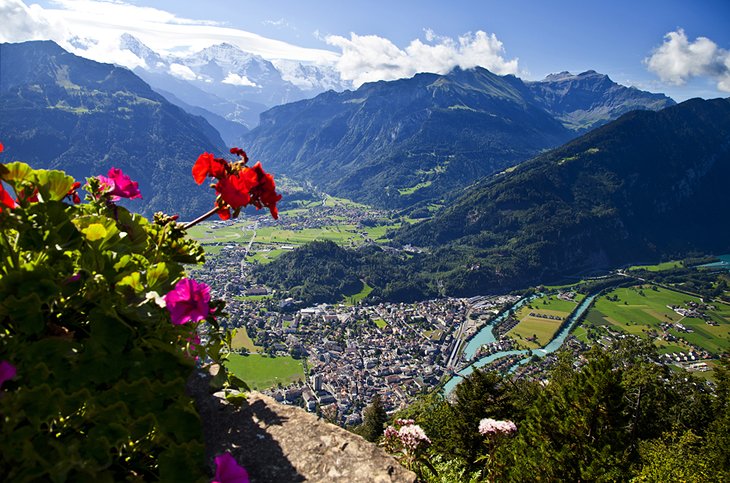
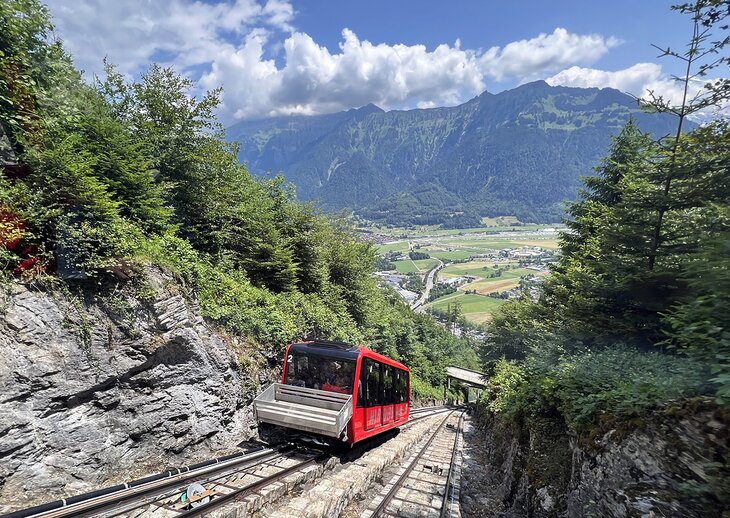
to the trailhead for the Harder Kulm Circular Path, a relatively easy, forested path that
opens up
to panoramic views of Interlaken.
Stroll on the Höheweg, Interlaken's main boulevard,
or find
a moment of peace at the Garden of Friendship, the country's first Japanese garden.
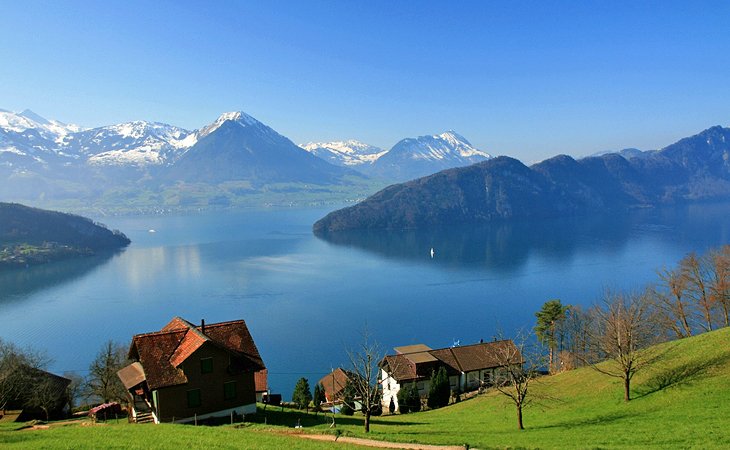
Lucerne
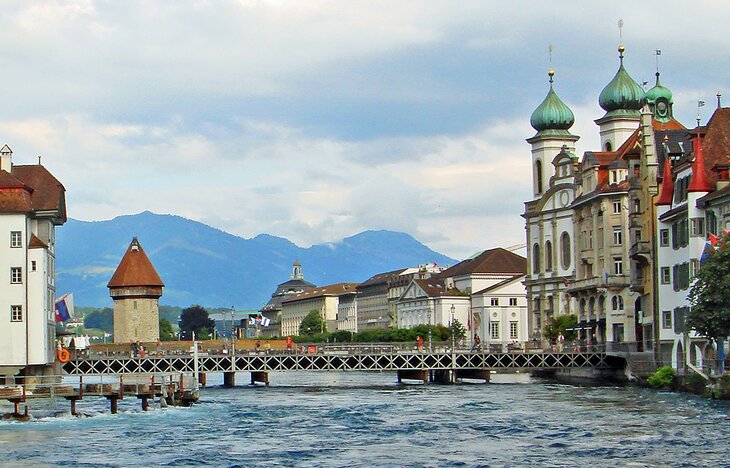
Imagine a sparkling blue lake surrounded by mountains, a car-free medieval old town, covered bridges,
waterfront promenades, frescoed historic buildings, and sun-splashed plazas with bubbling fountains.
No wonder Lucerne (in German, Luzern) is a top spot for tourists.
One of the city's most
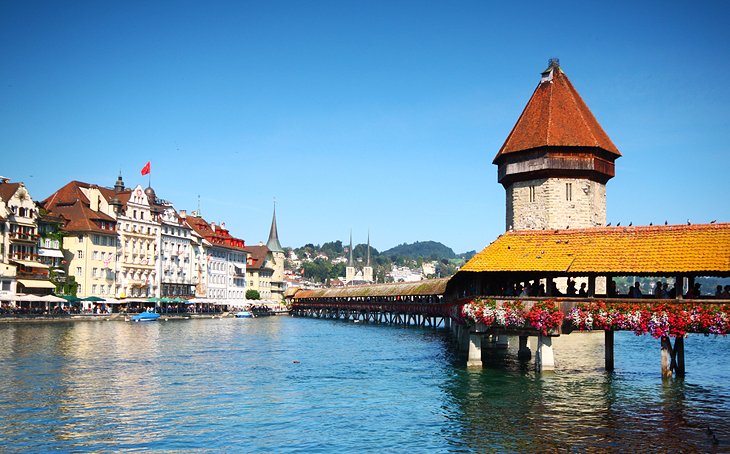
famous landmarks is the Chapel Bridge, built in the 14th century. In a small park, lies the
famous
Lion Monument, a poignant sculpture of a dying lion, which honors the heroic death of Swiss
Guards
during the attack on the Tuileries in the French Revolution. History buffs will enjoy the Swiss
Transport Museum with extensive exhibits on all forms of transport, including air and space
travel,
railroad locomotives, and a Planetarium.
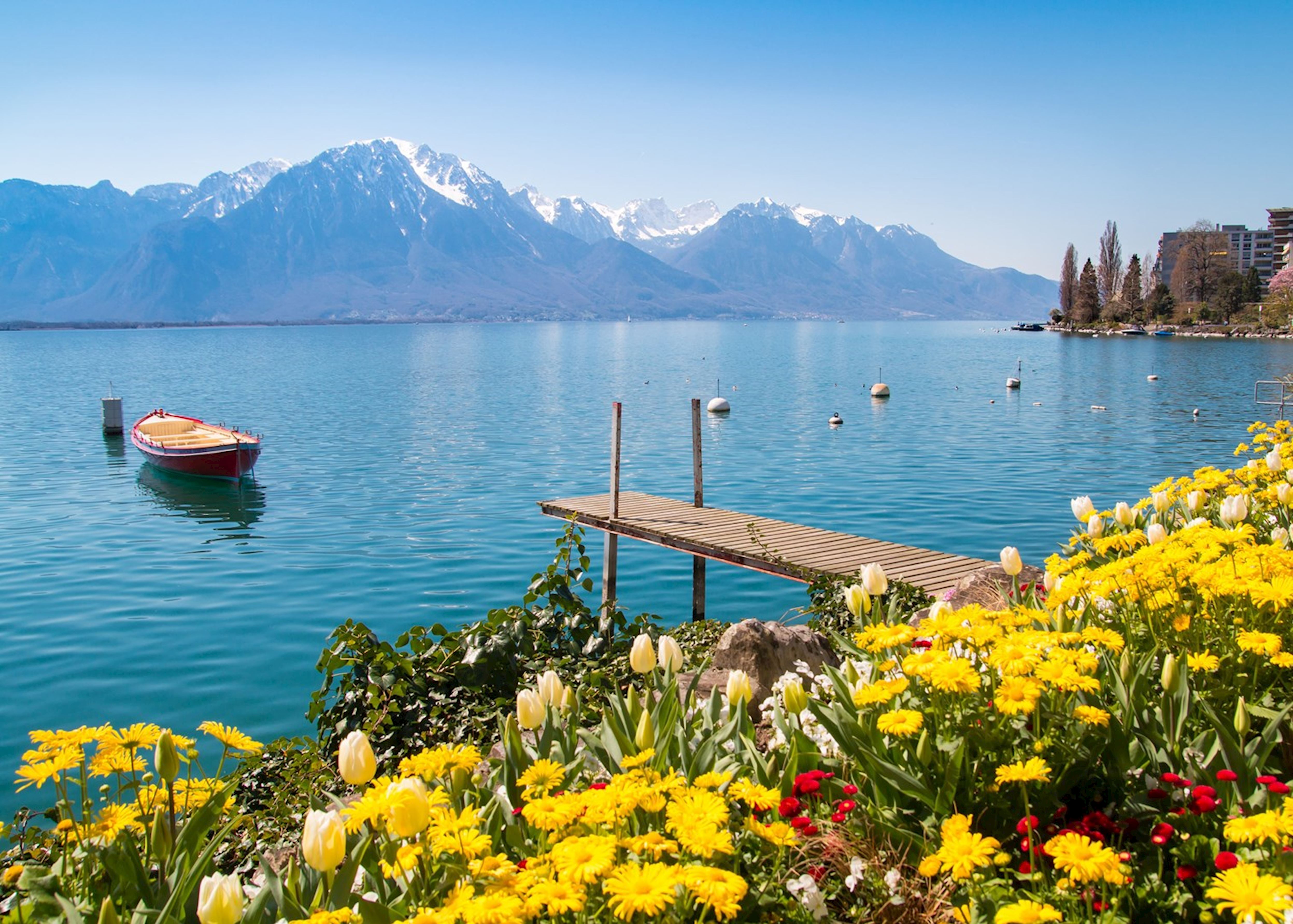
Lake Geneva
Europe's largest Alpine lake, straddles the Swiss/French border, and laps at the shores
of some of Switzerland's most popular cities. The city of Geneva (in French Genève; in German Genf)
sits between pretty snowcapped peaks at the point where the Rhône spills into Lake Geneva.
This French-speaking "capital of peace" is the European seat of the United Nations and exudes
a pleasing blend of French joie de vivre and Swiss structure. Promenades, parks, and gardens
surround
the lake, and the old town is a lovely spot to stroll among the historic buildings. The Jet
d'Eau, a
fountain in Lake Geneva shooting water 150 meters into the air, is a famous landmark. Cultural
attractions include the Opera House and the Grand Théâtre, which stages international
acts.
Zurich
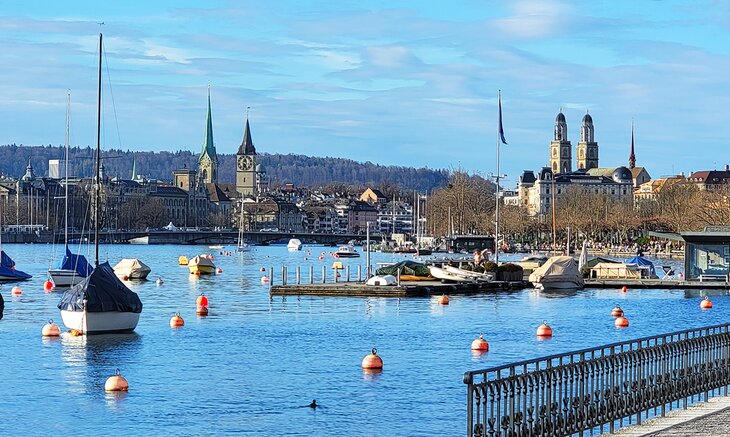
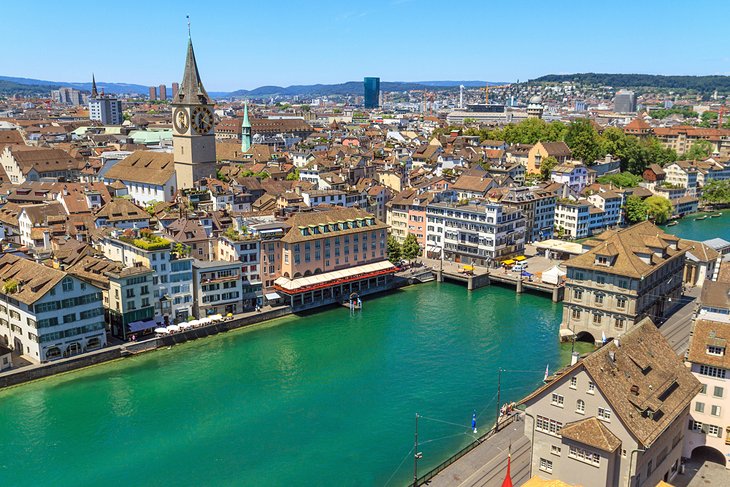
Zurich is Switzerland's largest city, a major transportation hub, and a top starting point for
travelers.
A great place to begin a walking tour is the cobbled streets of the Old
Town with its quaint
shops, cafés, and galleries.
A short stroll from Zürich's main station, the Swiss
National Museum,
in a Gothic chateau, spotlights Swiss cultural history. Families will love the Zurich Zoo
with an elephant park, penguin
parade, and Madagascar pavilion. From the city, take a train ride to Uetliberg Mountain for
panoramic views of the city and countryside.
The Rhine Falls
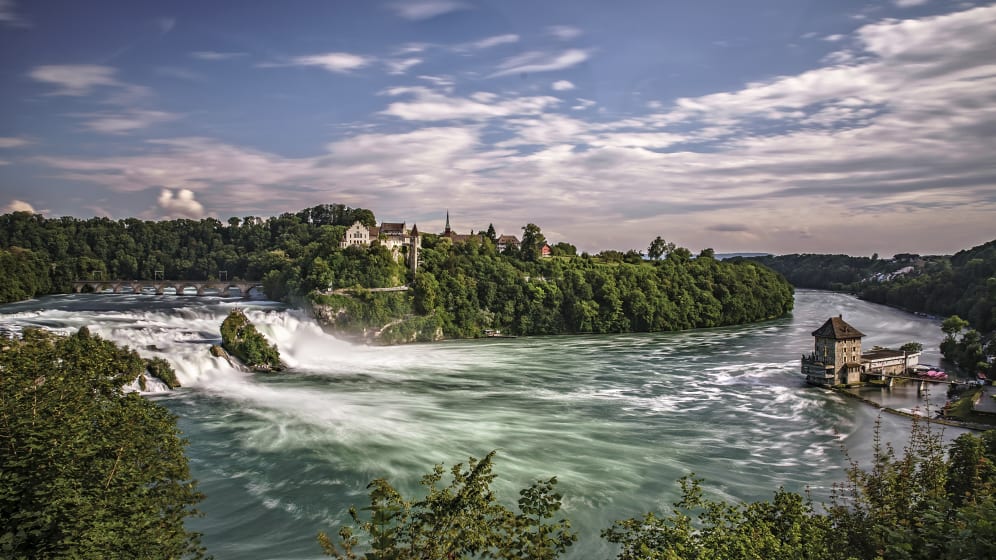
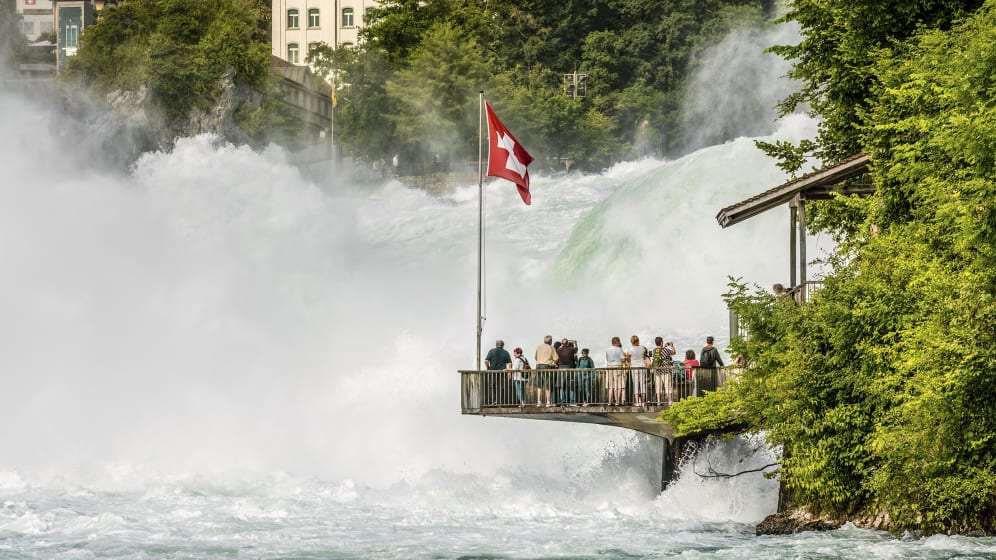
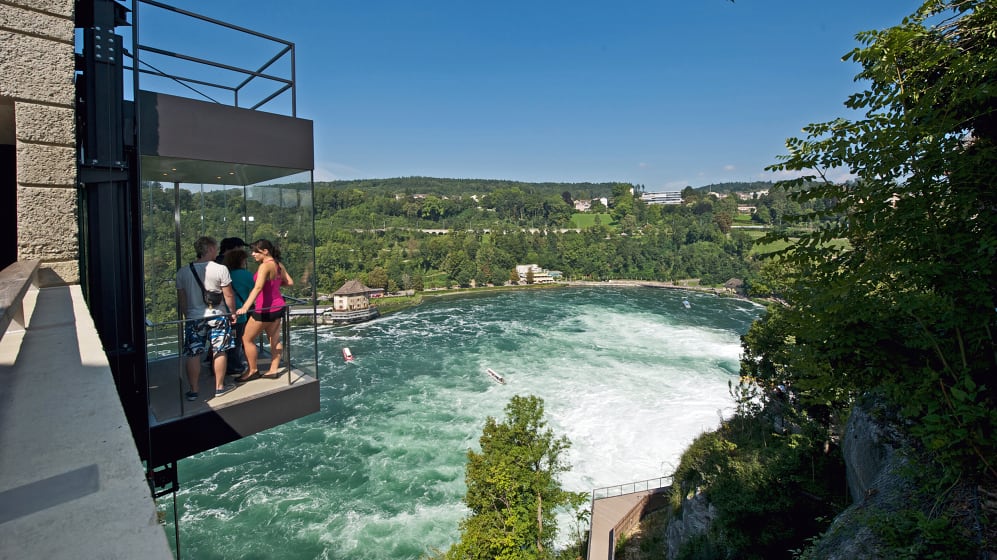
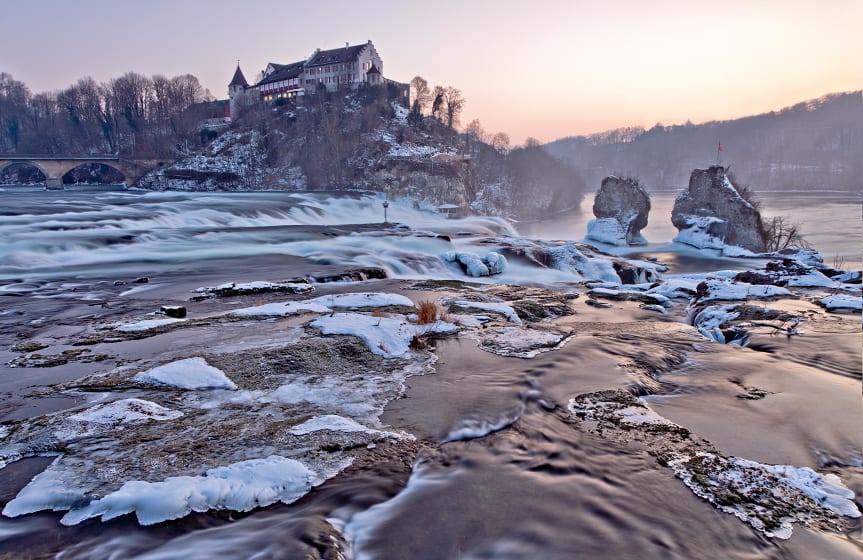
Spanning 150 meters, the Rhine Falls (Rheinfall) at Schaffhausen are the largest falls in
Europe. The
best time to visit is during June and July when the mountain snow melts, and the falls swell in
volume to spill over a 21-meter-high ledge of Jurassic limestone.
Boat trips up the Rhine
provide excellent views of the falls, as do the viewing platforms on both
sides of the river.
Swiss National Park
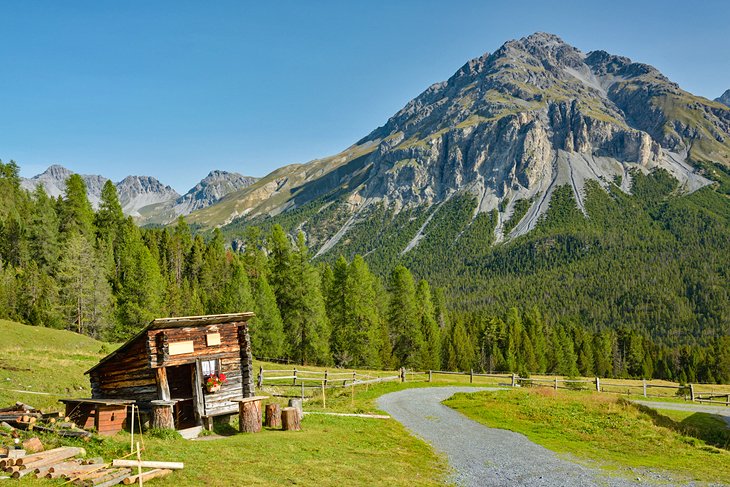
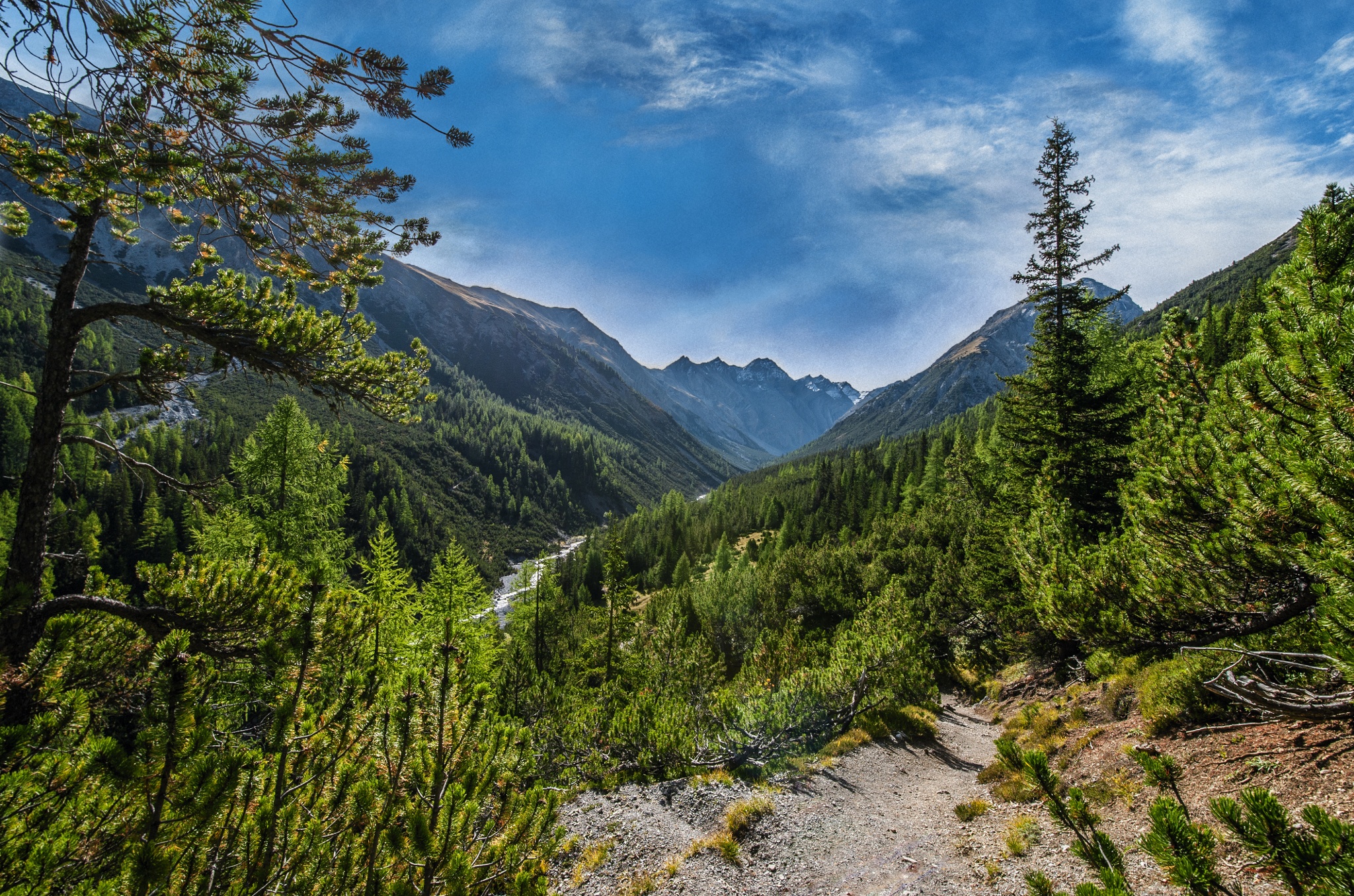
Founded in 1914, Swiss National Park in the Engadine Valley is the oldest reserve in the Alps. The park sits right on the border with Italy and encompasses more than 170 square kilometers of flower-dotted hollows, fast-flowing rivers, and limestone crags. The scenery is especially dramatic in winter when the forested mountains are covered in a blanket of snow, and the views from the cross-country ski trails are stunning.